
Kavli Institute for Nanoscience Discovery marks fifth anniversary with interdisciplinary research symposium
Photo: John Cairns
The Kavli Institute for Nanoscience Discovery (Kavli INsD) held a one‑day symposium on 15 April 2026, marking the Institute’s fifth anniversary and celebrating the career of its founding Director, Professor Dame Carol Robinson. Bringing together established and early‑career researchers, the event showcased the breadth of research and interdisciplinary collaboration facilitated by the Institute.
Supporting emerging research
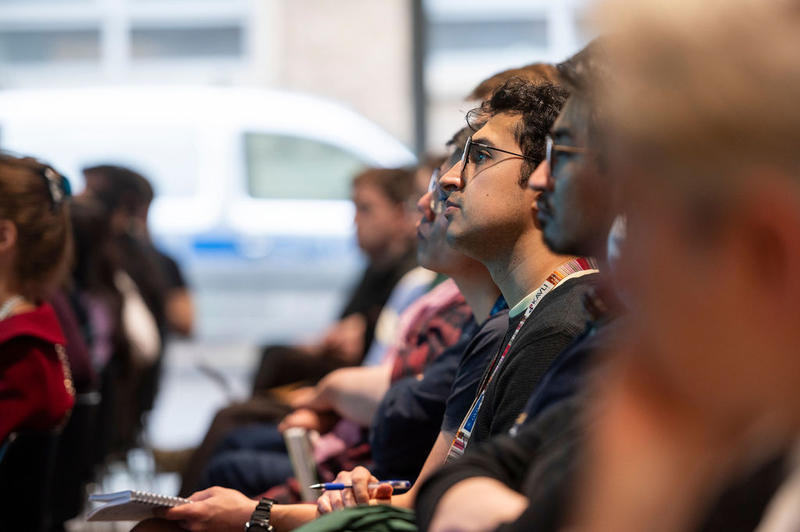
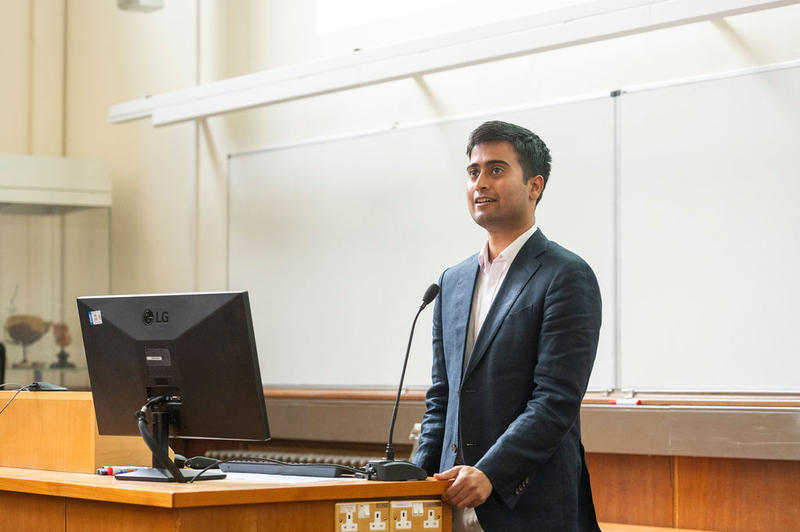
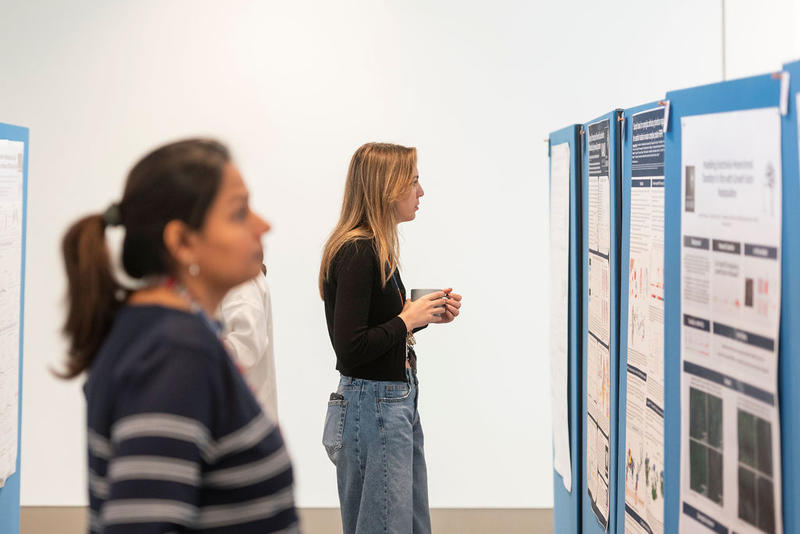
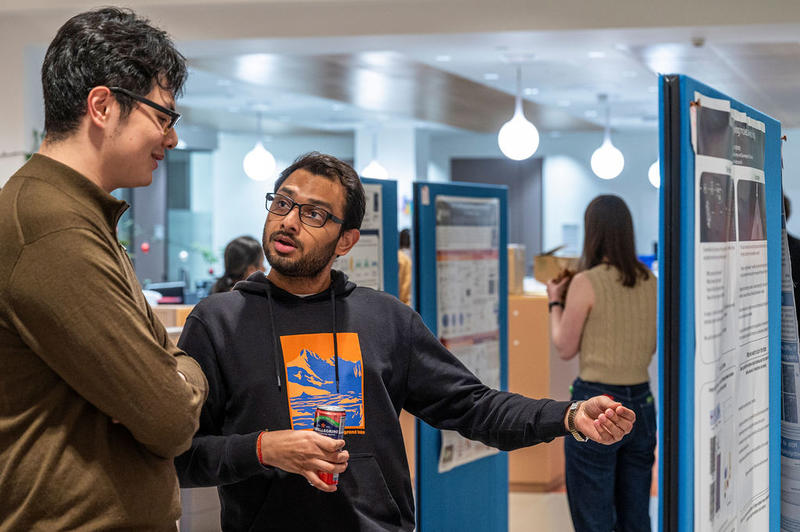
The programme began with 12 research talks, which brought together a range of scientific perspectives, encouraging shared exploration of ideas while foregrounding the contributions of early‑career researchers and students. This focus extended beyond the lecture theatre, with 38 scientific poster presentations that created opportunities for informal discussion and exchange between students and researchers.

Photos: John Cairns
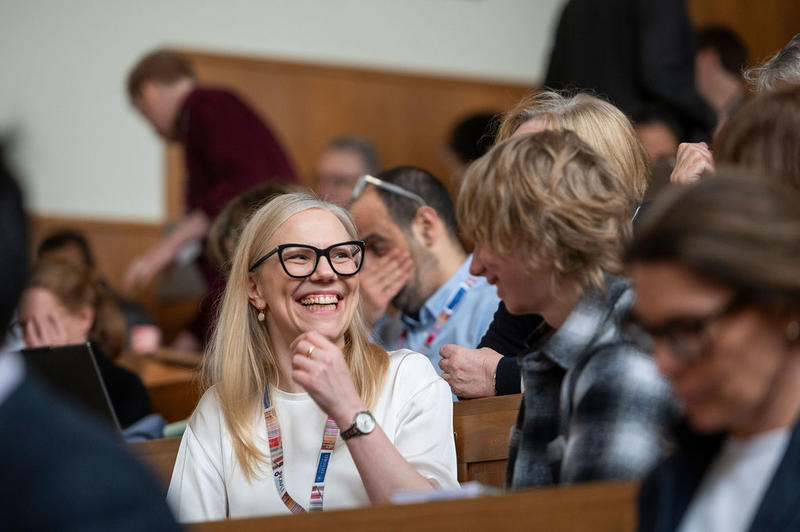
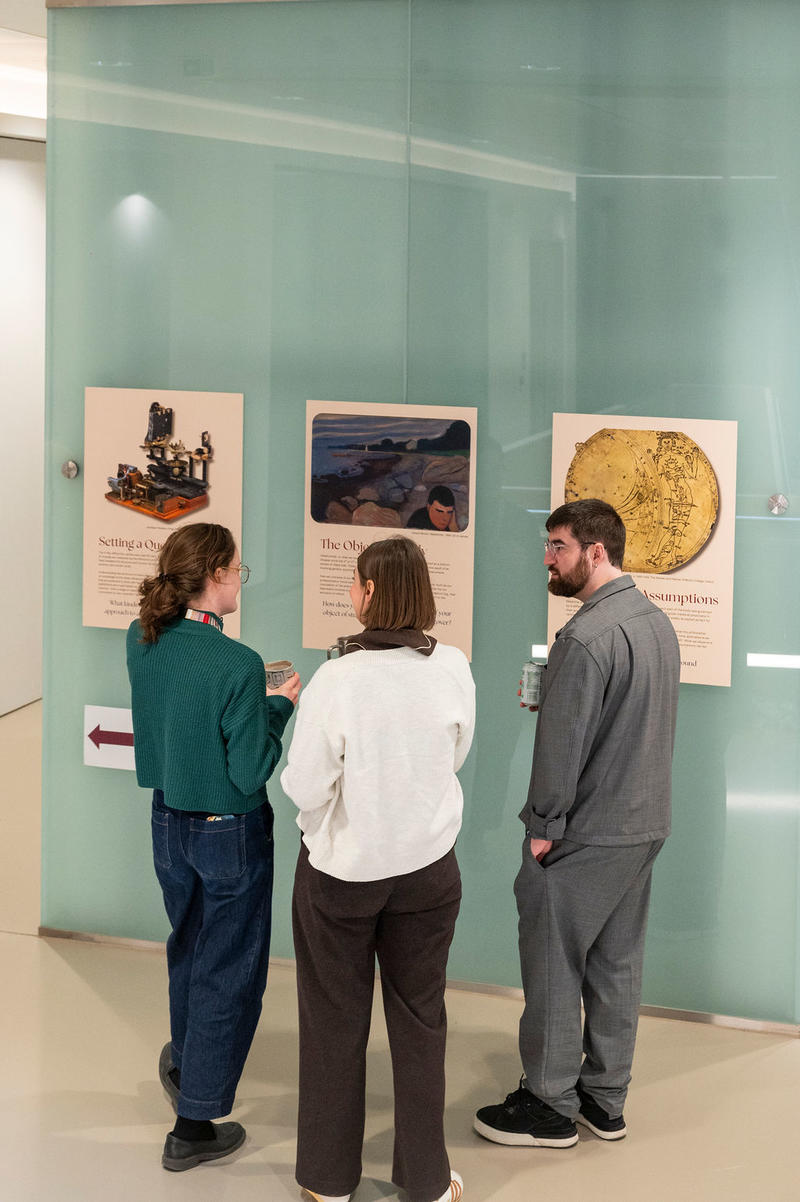
Running alongside the research programme, training sessions in scientific presentation and writing supported additional skills development. A pop‑up exhibition invited reflection on 12 questions about the ethical implications of scientific discovery, prompting conversation about responsibility in research practice.
I was delighted to witness the level of engagement from our Kavli Oxford members with each other’s research and the ethics exhibition. — Professor Dame Carol Robinson, Founding Director
Photos: John Cairns

Celebrating legacy
The day also marked Professor Dame Carol Robinson’s career as the Institute’s founding Director. As part of the programme, a seminar room in the Dorothy Crowfoot Hodgkin Building was renamed in her honour. In opening the newly named ‘Carol Robinson Seminar Room’, Professor Justin Benesch described Robinson’s role in advancing native mass spectrometry (MS) and highlighted her influence as a researcher, mentor and advocate for early‑career scientists. Her personal motto, ‘Be bold. Be curious. Be kind.’, was highlighted as reflective of her approach to both research and leadership. The address traced the development of native MS over the past three decades and its ongoing use in biological and biomedical research, alongside Robinson’s role in building research communities and institutions. Robinson thanked all involved, saying that she was 'extremely honoured'.
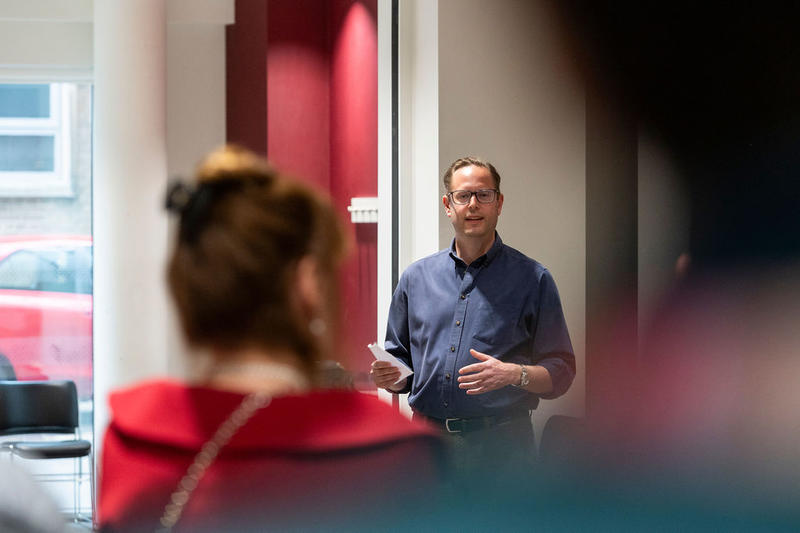
Photo: John Cairns
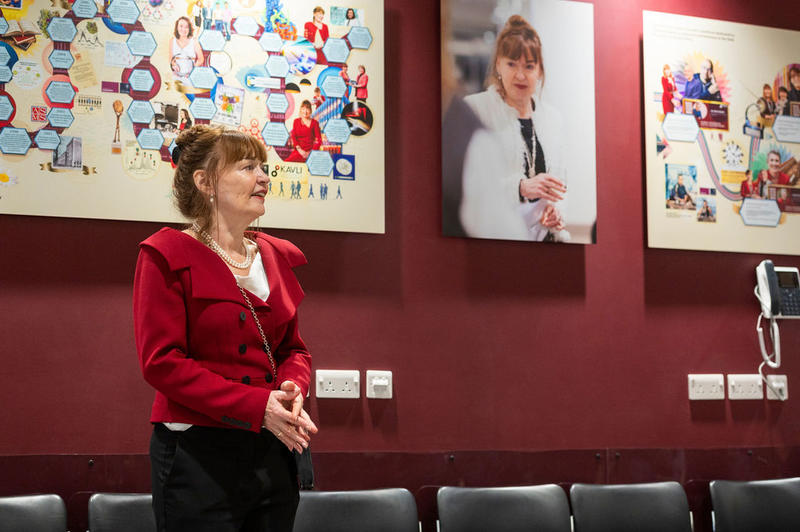
Photo: John Cairns; Artwork: Martin O’Neill
Shaping future discovery
The symposium concluded with a keynote lecture by Professor Matt Higgins, who discussed how advances in nanoscience, molecular biology and computational protein design are shaping new approaches to malaria vaccine development, including strategies aimed at multiple stages of parasite infection.
Drawing on insights into the mechanisms that enable malaria parasites to invade blood cells, the lecture considered how antibody interactions and artificial intelligence‑enabled protein design could be combined to develop more effective vaccine components. The talk underscored how nanoscale science continues to drive progress in contemporary vaccine research.
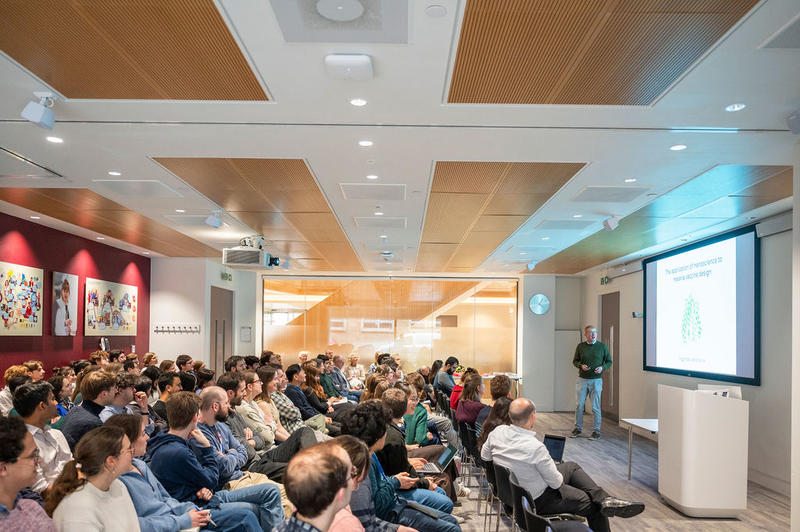
Photos: John Cairns